


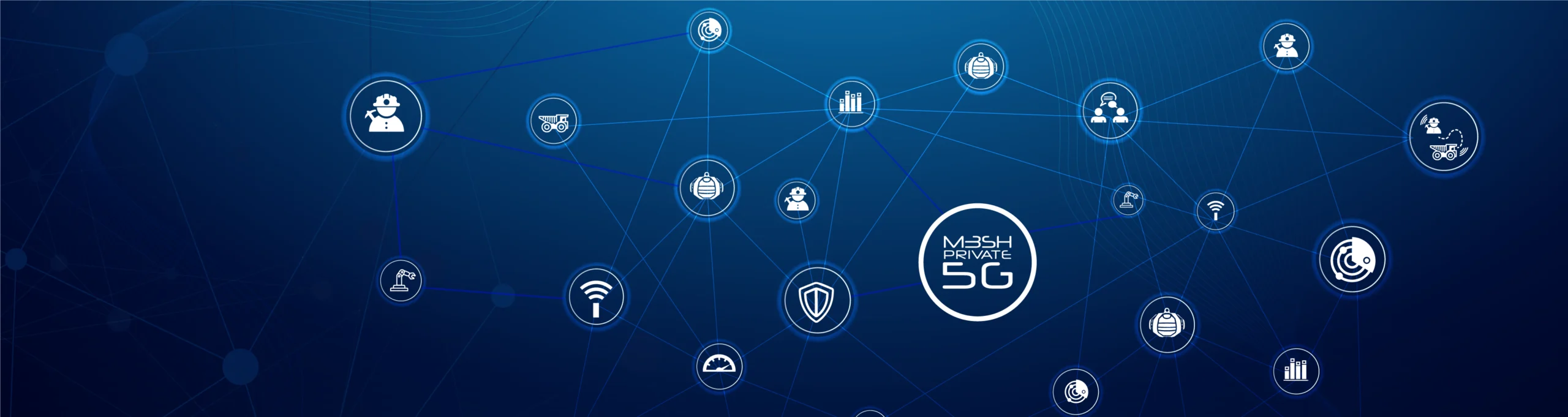
Complex tunnel geometries, poor line of sight, heat, moisture, dust and the constant movement of heavy machinery make underground mines one of the most demanding industrial environments for communication infrastructure. Mining companies are moving to deploy real-time data and digital connectivity solutions that are proven and secure as the ability to transfer data reliably and securely in real time becomes critical for safety and compliance.
Marko Kotzé, Chief Technology Officer for IMT (Integrated Mining Technologies), says Private 5G connectivity provides the flexibility, resilience and real-time responsiveness required by smart, digitally-enabled mines. IMT deploys M3SH Technology solutions across Africa, providing mining companies with the Private 5G, real-time environmental monitoring, personnel safety and regulatory compliance capabilities they need, backed by engineering support.
A purpose-built private 5G network offers ultra-low latency, supporting safer automation by reducing delays in vehicle commands, proximity alerts and real-time monitoring. “In automated mining environments, communication lag is a safety hazard. A delayed instruction to an autonomous vehicle or a missed proximity alert can have catastrophic consequences. 5G’s ultra-low latency eliminates the variable delays that legacy wireless systems introduce, providing the uninterrupted data backbone that machine automation requires to operate safely,” says Kotzé.
Unlike fixed cabling, 5G nodes can be repositioned as tunnels develop, making the network easier to adapt underground. As mines expand, capacity can be added with far less cost and disruption than extending hardwired infrastructure.
“Traditional hardwired systems are expensive, vulnerable to damage, and less flexible as mine workings expand, while legacy wireless systems often struggle with tunnel corners, rock walls, and interference from equipment,” he explains. “Private 5G overcomes these issues, giving the mine operator full control over security, bandwidth and network configuration in a way that no hardwired or legacy wireless system can match.”
5G also heightens security. “Because the network is dedicated to the operation, data stays within the mine’s perimeter while supporting high bandwidth, encrypted communications and diverse sensor traffic,” Kotzé says.
A national framework driving open 5G standards
The advantages of private 5G are well recognised at a national policy level. In 2024, the Mandela Mining Precinct (MMP) established the Real-Time Information Management Systems (RTIMS) Private 5G network framework specifically to eliminate communication delays deep underground, hosting an array of sensors that track everything from missing miners and collision risks to air velocity, toxic gas, noise, and dust levels in real time.
A central pillar of the RTIMS framework is secure 5G network interoperability: ensuring that private 5G systems from different commercial vendors can communicate with one another and feed into shared, standardised data platforms. The MMP is building an open-source, free-to-use data standard with the goal of creating a locally tailored, open-access blueprint so that the entire South African supply chain can modernise uniformly, not just the most well-resourced operations.
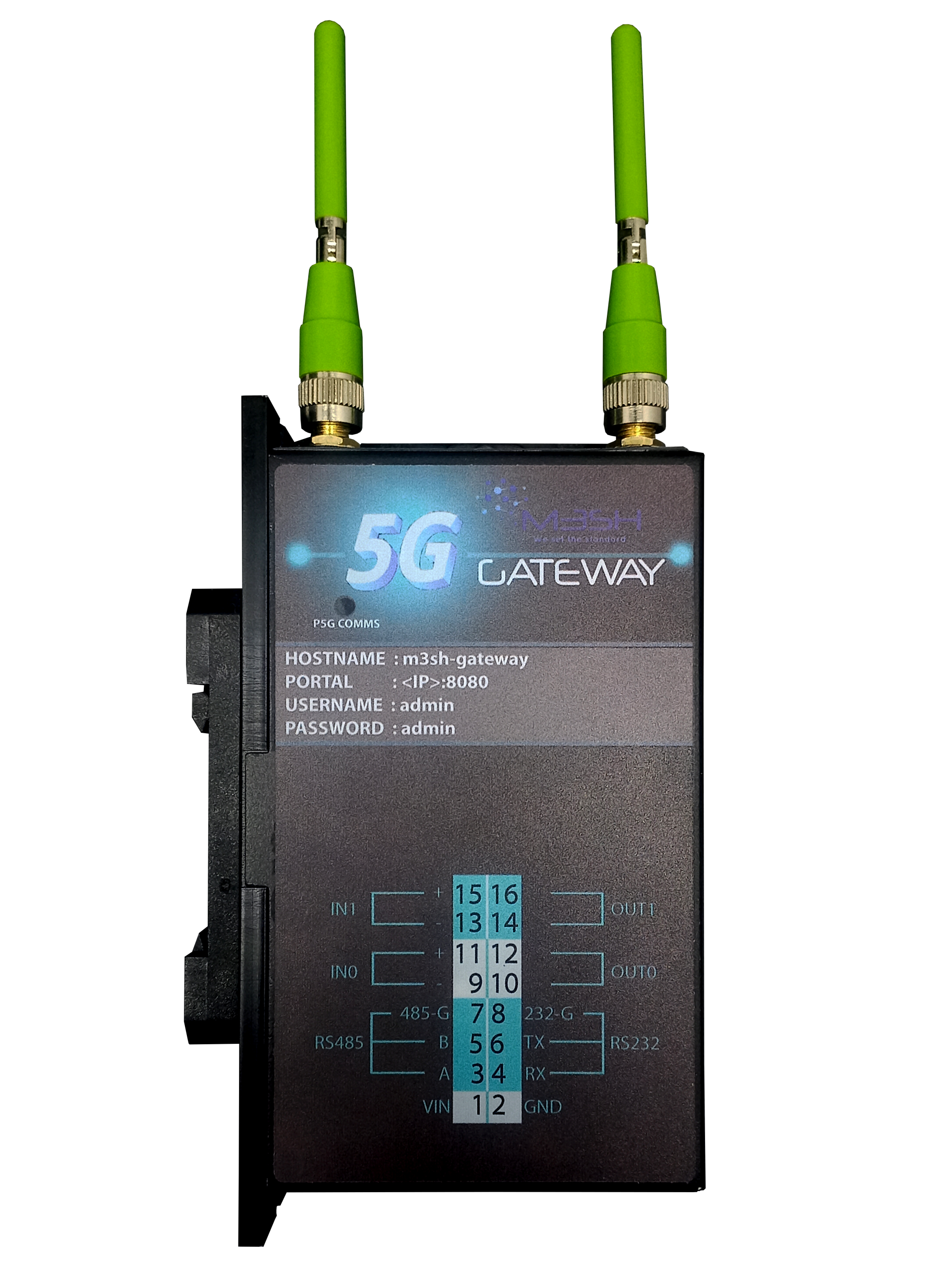
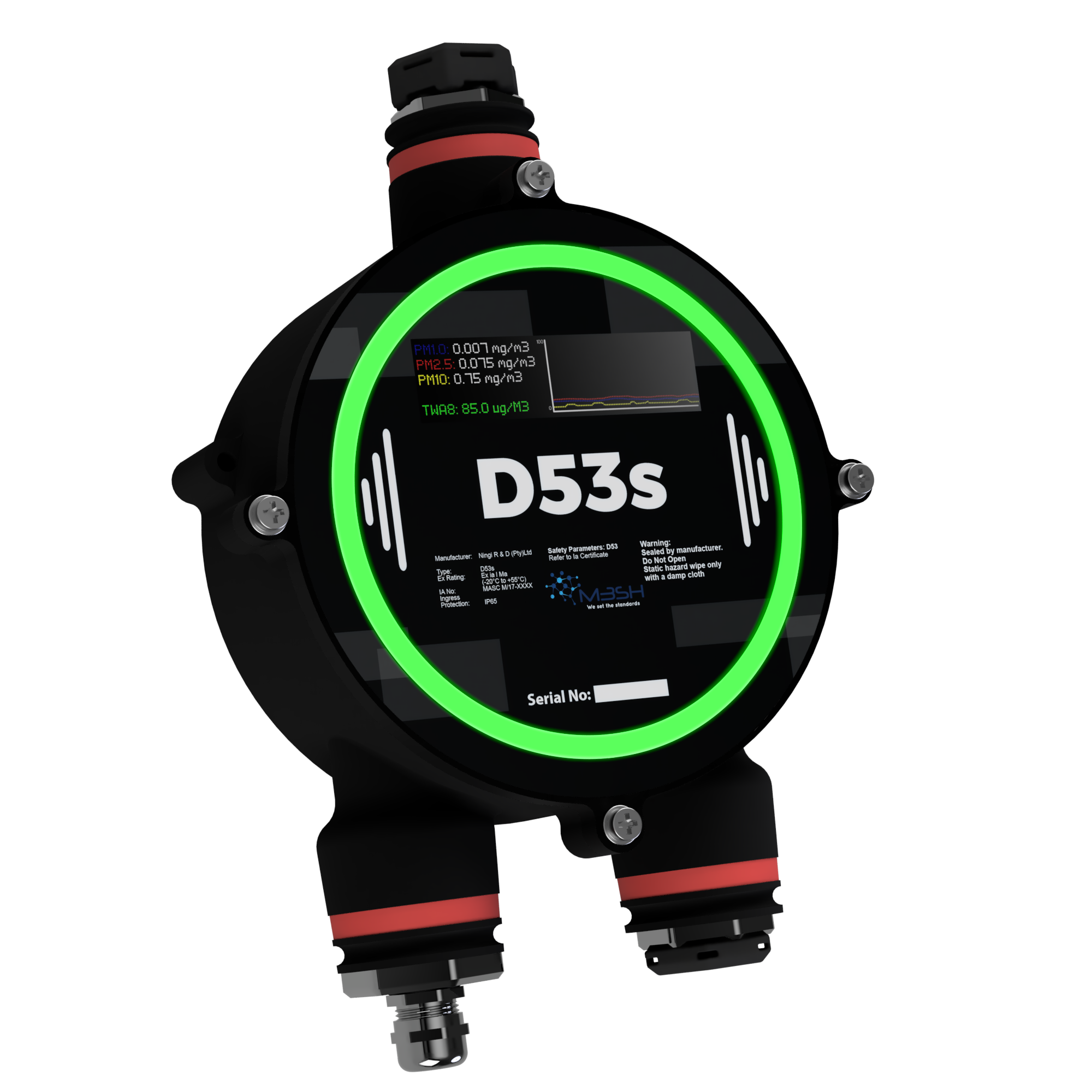
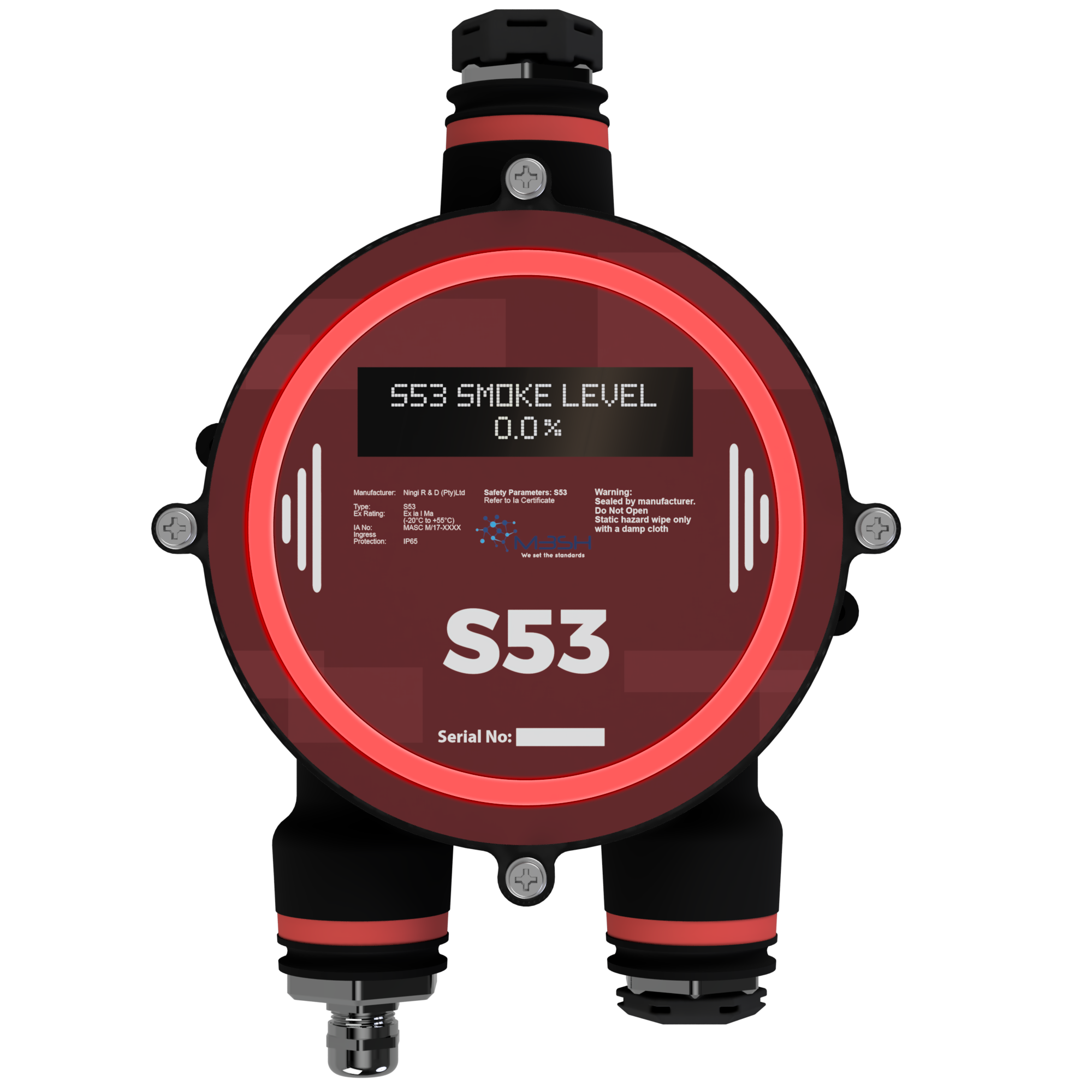
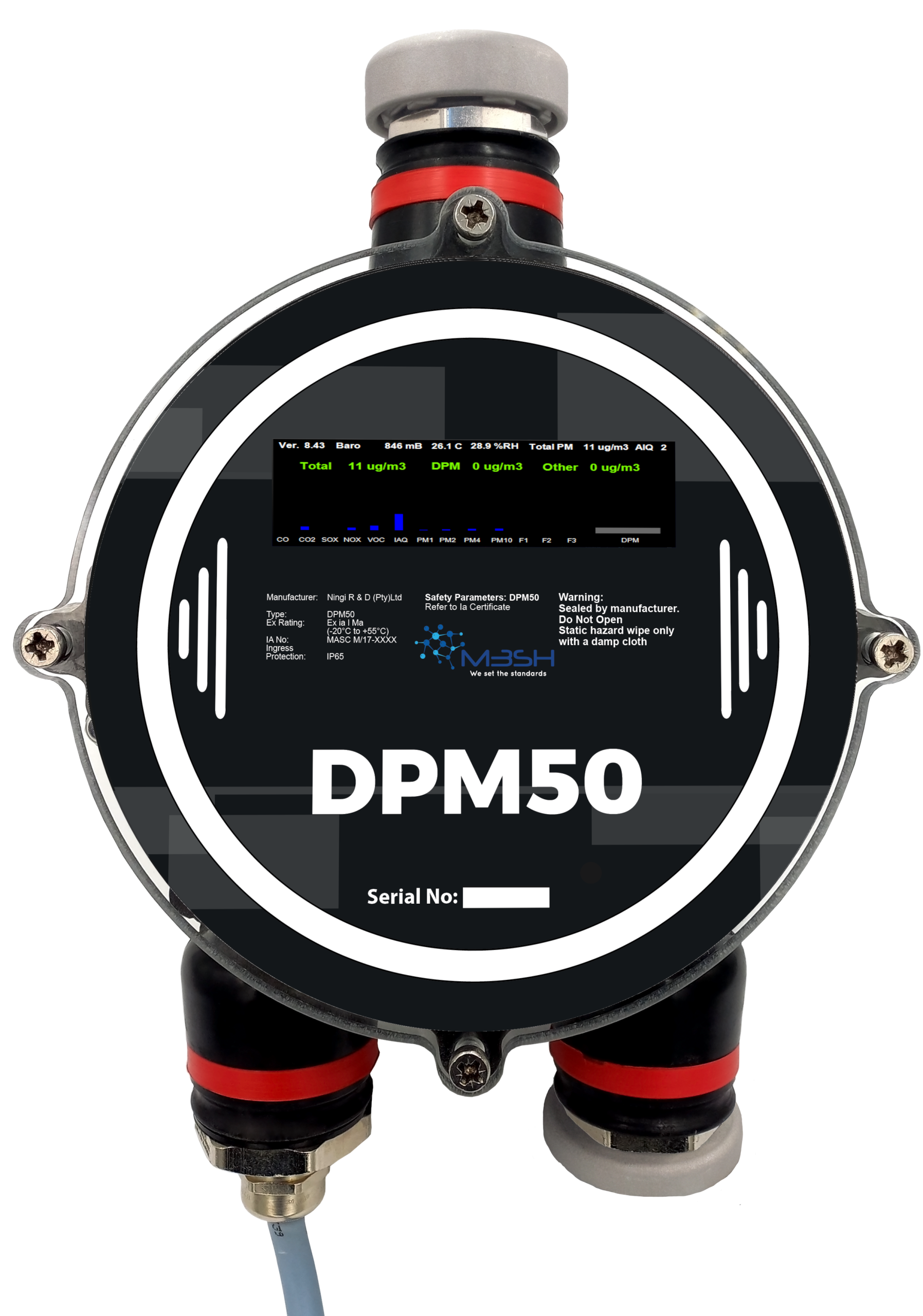
IMT is one of the commercial partners contributing to this initiative, deploying the M3SH Technology integrated private 5G sensor ecosystem at the Impala Bafokeng test mine as part of the RTIMS framework. The integrated solution covers both the private 5G network infrastructure and the connected safety devices that run on it, including the M3SH P50 Environmental Monitor, S50 Smoke and Fire Monitor, D53s Silica Monitor, D52 Dust Monitor, P511 Air Velocity Monitor, the DPM50 Diesel Particulate Matter (DPM) monitor and the NM20 Noise Monitor.
“Real-time environmental monitoring can enable rapid automated operational responses, activating ventilation or dust suppression the moment sensor thresholds are breached,” says Kotzé.
Missing Miner solutions
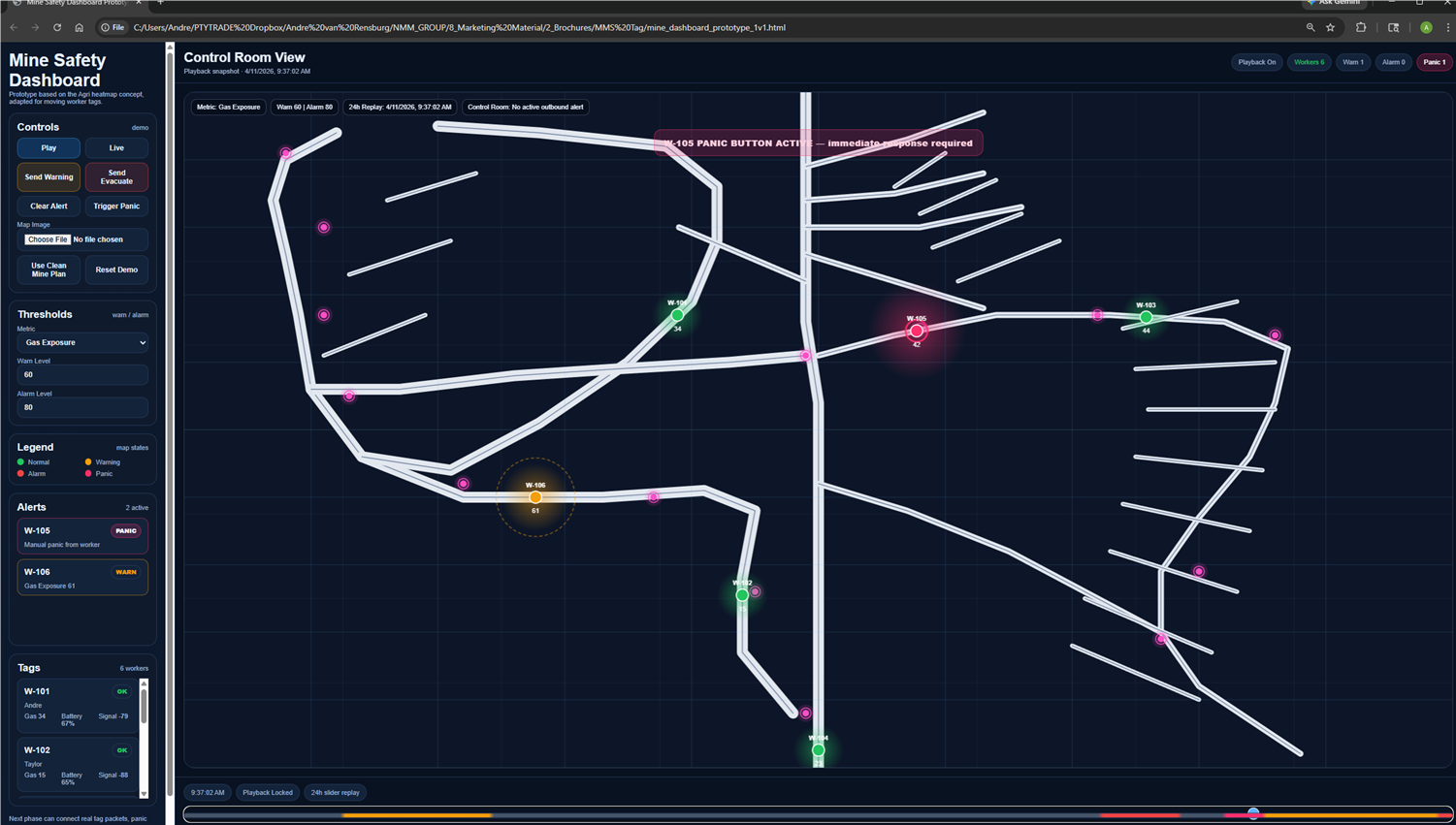
M3SH Technology’s platform also includes real-time continuous miner identification and personnel tracking with emergency notifications as a built-in capability. “This is critical for mines, not only as a moral necessity but as a legal requirement under the Mine Health and Safety Act,” says Kotzé. “With 5G, personnel can be tracked with sub-metre accuracy and data transmission latency of less than 20 milliseconds, enabling a control room to detect a “man-down” event automatically and direct a rescue team to a precise location in real time.”
Ready to deploy, built for South African mining
From initial network design and underground installation through to 24/7 field support and cross-system integration, IMT provides the end-to-end capability that makes the transition to private 5G and real-time monitoring seamless.
“What sets this solution apart is that we are not just providing hardware or network infrastructure,” says Kotzé. “We are delivering a complete, proven and integrated system, turning complexity into certainty for mines. The network and the tools are engineered to work together, and our team is there on the ground to ensure that they do.”
For more information, visit www.imtmining.co.za or contact the IMT team at +27 010 634 5605.